Water
Clean water for drought-affected communities
Hand pumps, wells and solar water systems across Khyber Pakhtunkhwa, with the April 2026 programme now under implementation.
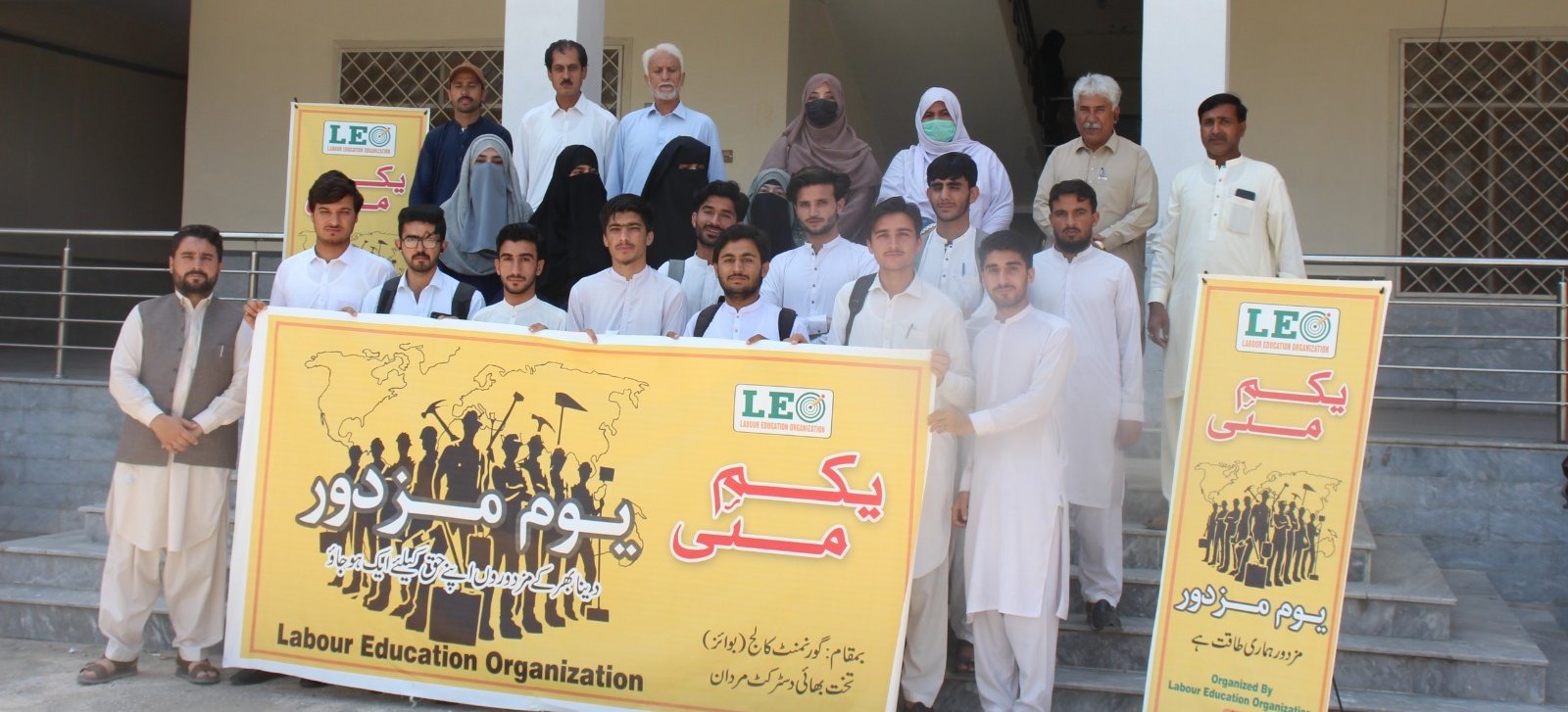
LEO is a locally led non-profit working across Khyber Pakhtunkhwa to improve access to clean water, healthcare, education, livelihoods, protection and climate-resilient services for vulnerable and underserved communities. Working from Mardan since 2006.
Every figure on this site carries its source and date. Where a number could not be verified against a document, it is not shown.
hand pumps installed or approved for vulnerable communities, 2025–26
Annual Progress Report 2025–26people received emergency food after the Buner floods
Annual Progress Report 2025–26children study in the expanded Government Primary School at Kodary Circle, Hathiyan
Annual Progress Report 2025–26households reached by the Dag Ismail Khel village solar water system
Annual Progress Report 2025–26Community-led, evidence-based and accountable. Each area below links to the documented detail, with sources.
Hand pumps, small wells and solar-powered water systems for communities facing drought and water scarcity.
Equipping public hospital baby wards with incubators, phototherapy units, monitors and oxygen support.
School infrastructure, a community school in Garibabad, and computer literacy going back to LEO's earliest years.
Zakat employment for families, homes for widows, and a climate-resilient village now under implementation.
Flood relief, seasonal food programmes and an emergency fund for medical and education assistance.
Sewing and skills centres, legal awareness and the labour rights work LEO was founded on.
Where people organise around education, health and their basic rights, communities can change their own future.
Founded in Mardan in 2006, LEO has grown from street-level awareness campaigns into a registered social welfare organization delivering water, health, education and shelter programmes across Khyber Pakhtunkhwa.
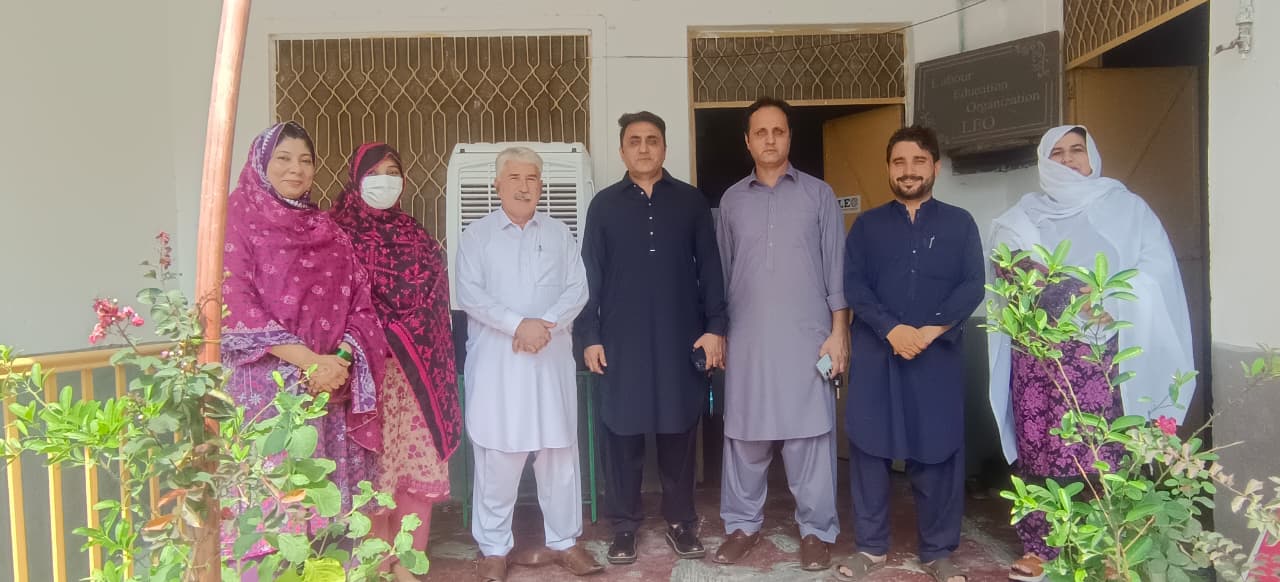
Hand pumps, wells and solar water systems across Khyber Pakhtunkhwa, with the April 2026 programme now under implementation.
Incubators, phototherapy units and oxygen support for baby wards in Swabi, Mardan and Nowshera.
Housing for flood-affected families, under implementation in 2026.
A funding partner, government counterparts, civil society collaborations and a technical partner — named in text, each relationship stated as it is.
Donor partner
Government of Khyber Pakhtunkhwa
Civil society and networks
 Shirkat Gah
Past collaboration
Shirkat Gah
Past collaboration
 CPDI
Past collaboration
CPDI
Past collaboration
 DCHD
Past collaboration
DCHD
Past collaboration
 IRSP
Past collaboration
IRSP
Past collaboration
 FAFEN
Network member
FAFEN
Network member
Technical partner
Muslim Charity has funded LEO's safe water programme for more than three years. LEO is registered with the Directorate of Social Welfare, Government of Khyber Pakhtunkhwa, and works alongside the Department of Health in the public hospitals whose baby wards it equips. CPDI is the Centre for Peace and Development Initiatives; DCHD the Democratic Commission for Human Development; FAFEN the Free and Fair Election Network, in which LEO holds membership in Khyber Pakhtunkhwa. PMEye Management Consulting supports LEO's institutional systems, evidence toolkit and this website. Partner marks identify the organisations LEO has worked with; each remains the property of its owner, and any partner may ask for its mark to be removed at any time.
Sourced figures, named governance and community oversight on every project. We are glad to share our records.