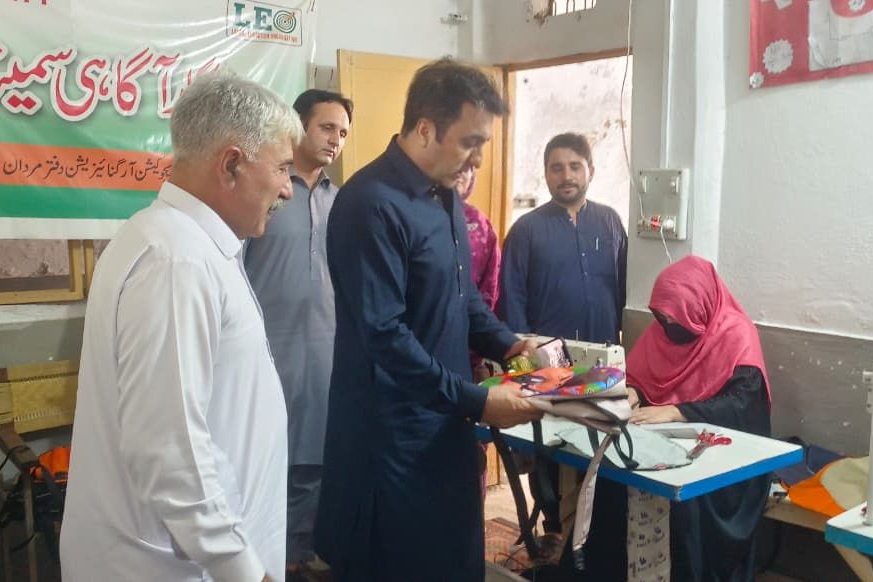
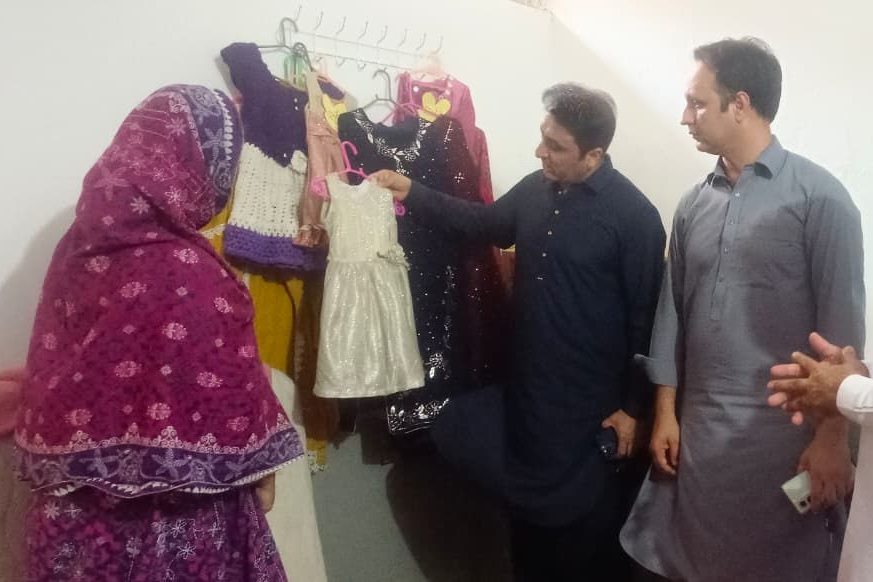
Small businesses for 40 families
The Zakat Employment Programme provided livelihood opportunities to 40 deserving families in 2025–26.
Every example below is drawn from LEO's own reports and carries its source. Figures that could not be verified against a document are not shown.
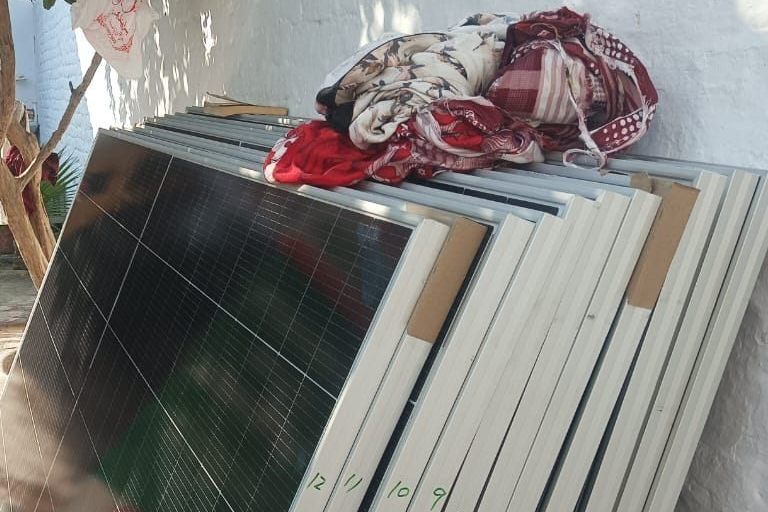
Working with Muslim Charity, LEO's funding partner of more than three years, LEO installs hand pumps, small wells and solar-powered water systems in communities facing drought and water scarcity.
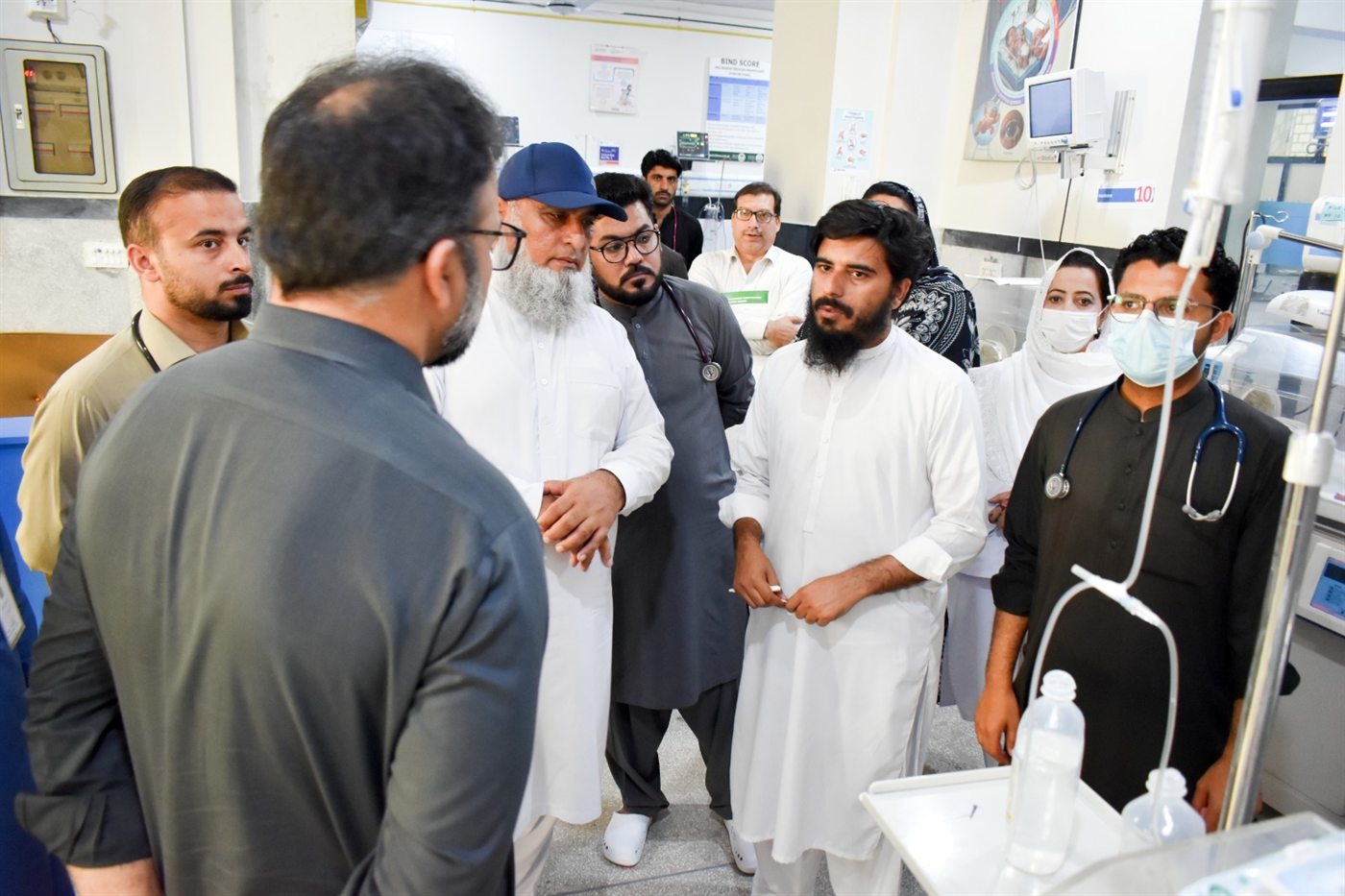
In 2025–26 LEO equipped the baby wards of Qazi Hussain Ahmad Medical Complex (Nowshera), Mardan Medical Complex and Bacha Khan Medical Complex (Swabi) with incubators, phototherapy units, suction machines, patient monitors and oxygen support, across two phases.
LEO's health work began much earlier: blood grouping and hepatitis screening camps, medical camps for displaced families, and health awareness campaigns date back to 2007.
Under Education for All, LEO supports a community school in Garibabad, Swabi Road, Mardan, where more than 270 children study.
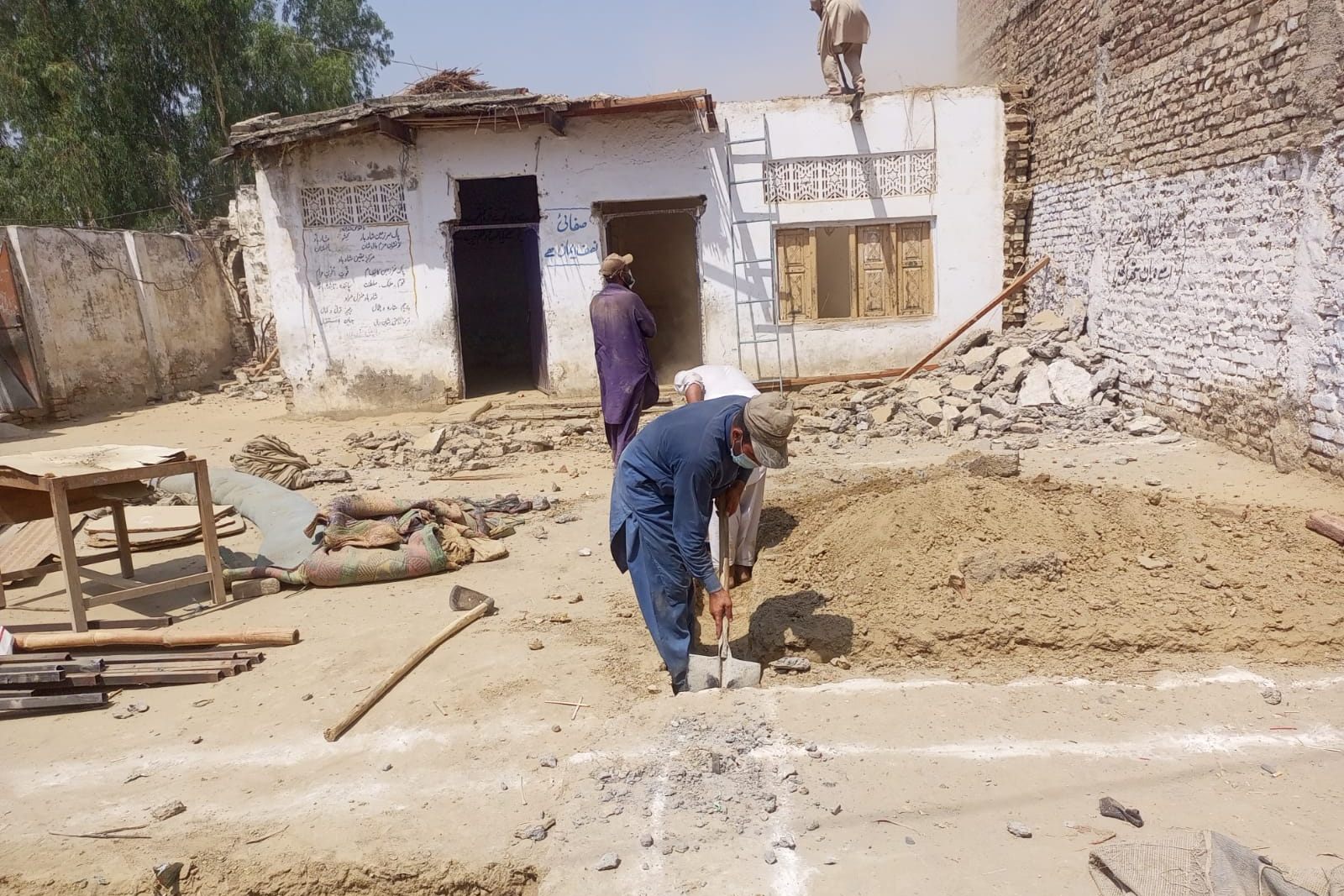
In 2025–26 LEO built six new classrooms at the Government Primary School, Kodary Circle, Hathiyan, which previously had only two, along with a veranda, four washrooms and ceiling fans. 370 children now study there.
LEO's education work started with computer literacy courses in Katlang and certificate programmes recognized at district level.
The Zakat Employment Programme provided livelihood opportunities to 40 deserving families in 2025–26.
Dignified homes for widows eligible for Zakat: living room, kitchen, washroom, boundary wall, water and electricity.
Housing for flood-affected families, under implementation in 2026.
Sewing and embroidery centres have supported women's incomes since LEO's earliest years.
LEO distributed 200 food packages reaching about 1,400 people after the Buner floods.
Seasonal programmes include Ramadan food packages (175 in 2026), Qurbani meat distribution to deserving families, winter support for women and children at Darul Aman Mardan, and an emergency fund for food, medical and education assistance.
LEO's first emergency responses date to the 2007 displacement crisis and the 2010 floods.
Source. All figures on this page come from LEO's Annual Progress Report 2025–26 unless stated otherwise.
Sewing and embroidery centres in Katlang and Risalpur have supported women's incomes since LEO's earliest years, alongside a skills centre at the LEO office in Mardan.
LEO's rights work covers domestic violence and family-law awareness, women's leadership programmes, child protection awareness, right-to-information and voter education, and advocacy on labour rights.