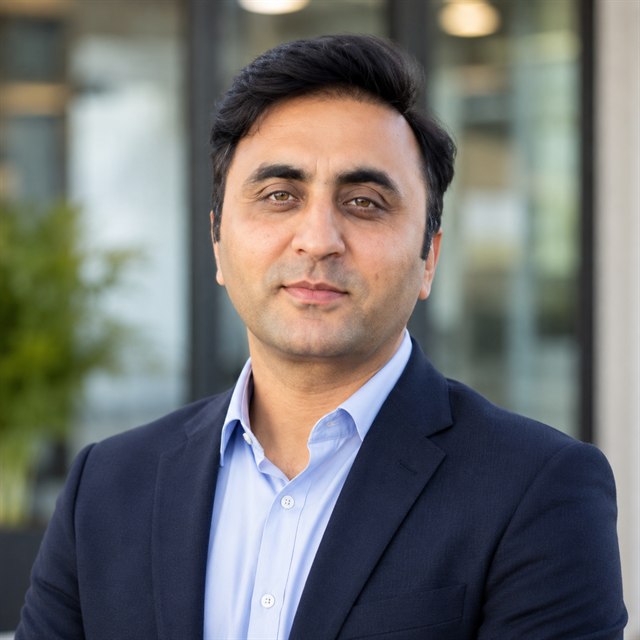
Engr. Farooq Khan
Chairman
Registration, governance, who runs LEO, monitoring, safeguarding and how to raise a concern.
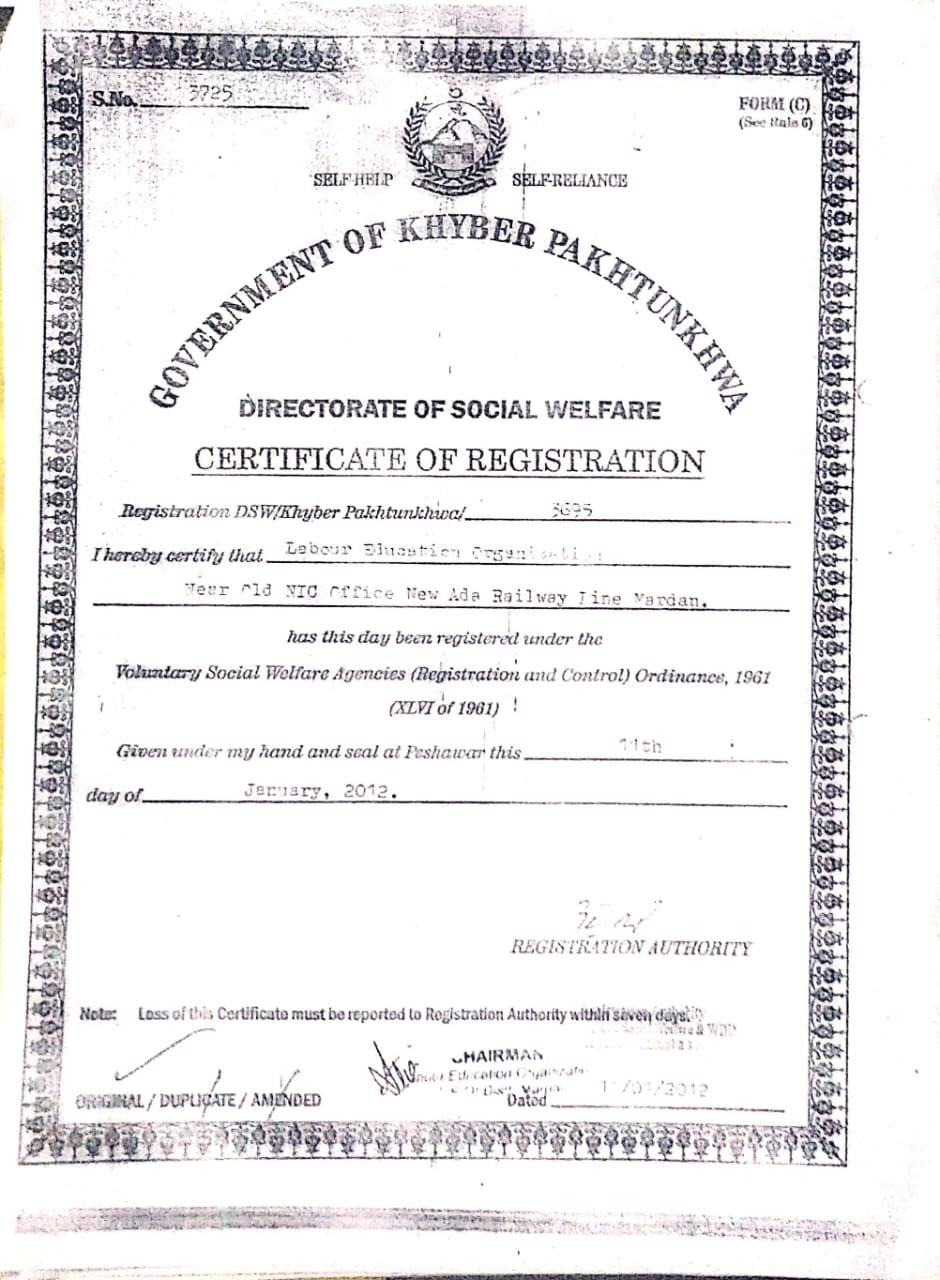
Founded in 2006, registered in 2012. LEO worked as a community organisation for six years before it was formally registered. Both dates are given here rather than the more flattering single figure.
Every line above has been checked against the registration certificate itself, not against a summary of it.
One difference worth naming. The 2012 certificate records the organisation at Near Old NIC Office, New Adda Railway Line, Mardan. The head office given above is the current address. Both are in New Adda, Mardan. The registered address has not been updated since 2012.
The General Body meets every two years and democratically elects the Executive Body, which sets direction and reviews programme progress twice a year.
Day-to-day management sits with the Executive Director and programme staff, supported by community-based organizations and village development committees at field level.
The Board of Trustees, the Executive Board and the programme team are all named below.
Four trustees holding legal and strategic responsibility for the organisation. Separate from the elected chain below.
The elected chain
Meets every two years and democratically elects the Executive Board.
Seven officers. Sets policy and direction, and reviews programme progress twice a year.
Hassan Hassas
At field level, community-based organizations and village development committees work alongside the programme team and monitor daily.
The Board of Trustees carries legal and strategic responsibility for LEO. It is distinct from the elected Executive Body, which reviews programme progress twice a year.
Trustees here are not remote from delivery. They work with the programme team consistently and go out to the field themselves, so that direction is set against the realities staff and communities are actually dealing with rather than against a summary of them.
Chairman
Member
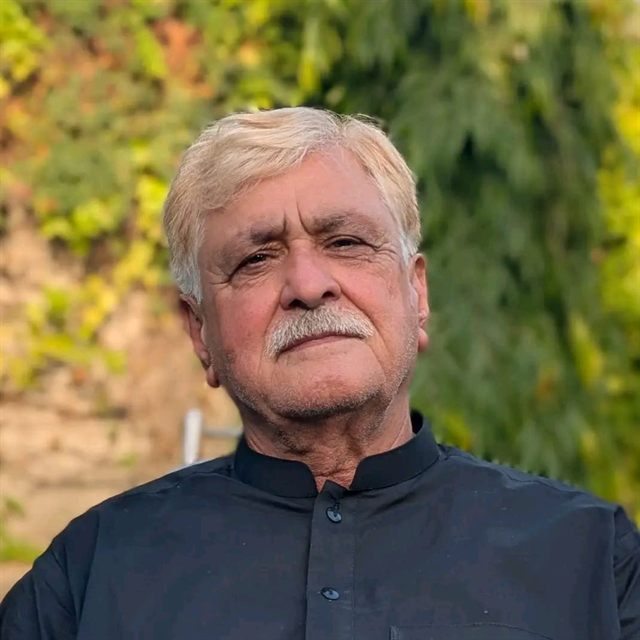
Member
Member
Portraits are added as each trustee supplies one.
The Executive Board is elected by the General Body and sets policy and direction. The programme team delivers the work.
Elected by the General Body. Sets policy and reviews programme progress twice a year.
MA in Sociology, currently in progress. Chairs the Executive Board.
A founder member, with LEO since it began in 2006. Journalist, Pashto writer, and a master trainer on rights and law.
MA, University of Peshawar. Social mobiliser with LEO, after years in teaching and field data collection.
BA, BISE Mardan. Six years a social mobiliser with LEO, after three years in teaching.
MA in Journalism and Mass Communication. Four years a field coordinator with LEO.
MA in Pashto Literature. A journalist of twelve years and a social mobiliser with LEO for ten.
BS, Abdul Wali Khan University Mardan.
Delivers the work in the field, day to day, under the Executive Director.
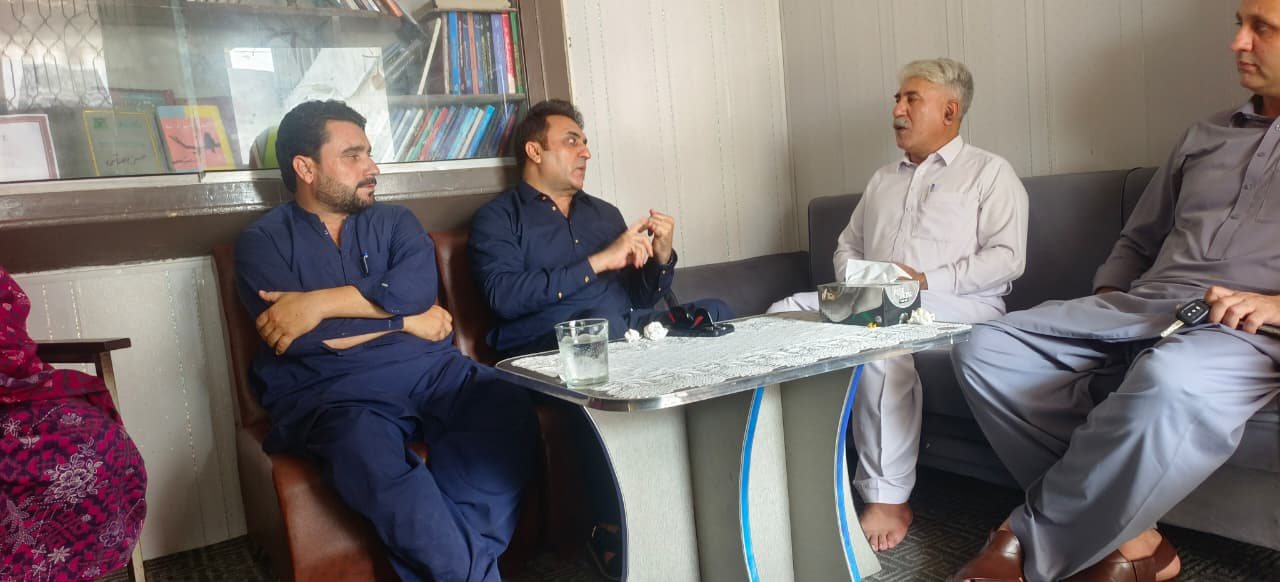
Names and designations as confirmed by the Executive Director, August 2026. Names follow each person's own CV. Biographies give qualifications and professional experience only — no personal contact or identity details are published.
LEO has written policies in force on harassment, child labour and child rights, protection of women, children and minorities, and freedom of expression and citizens' rights, alongside informed-consent protocols for photography and media in the field. Copies are available to partners and donors on request.
Two gaps are worth naming rather than hiding: LEO does not yet have a written complaints and whistleblowing mechanism, or a written anti-fraud policy. Both are being prepared. In preparation
Raising a concern. Anyone may raise a concern about LEO's work, staff or partners by writing to leopak.org@gmail.com or calling the office. Concerns are reviewed by the Executive Body.